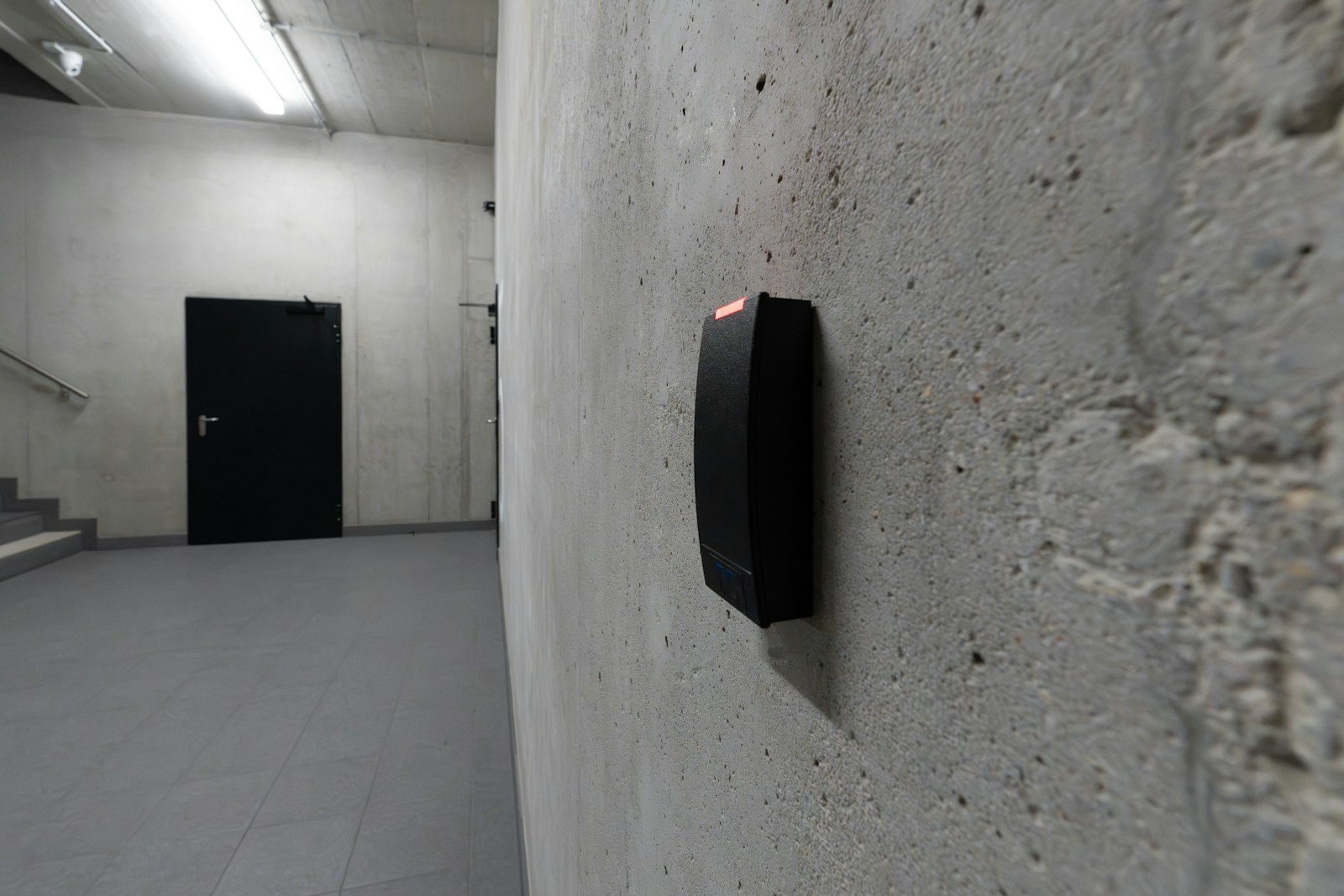
Automatic glass entrance doors

Automatic Door Operators

Power door operators for accessible entrances, washrooms and suites, supplied and installed to code.

Accessible entrances, done to code

A power door operator mounts above a swing door and opens it with the press of a button, a wave of a hand or a fob. It helps people using wheelchairs and walkers, parents with strollers, staff with deliveries, and anyone carrying something.

We supply and install operators on existing doors and in new construction, and connect them to access control and intercom so secured doors open automatically for the right people, and stay shut for everyone else.

What the building code now requires

British Columbia. The BC Building Code 2024, in effect since March 8, 2024, requires power door operators on doors with self-closers at building entrances, along the accessible path from the entrance to suites or rooms served by a public corridor, and at entrances to accessible spaces such as universal washrooms. Doors fitted with hold-open devices are an exception.

Ontario. The Ontario Building Code requires power door operators on doors with self-closers along the barrier-free path of travel through a building’s barrier-free entrances.

Which doors need an operator depends on the building, its use and its permit date. Your architect or code consultant confirms the list; we supply and install to match, and coordinate with the door hardware and fire alarm.
Three decisions for every door

Swing doors at an entrance
01

Low-energy or full-power

Low-energy operators open slowly with limited force, and only when someone deliberately activates them. Covered by ANSI/BHMA A156.19, they usually need no safety sensors or guide rails, and they are the right choice for most offices, condos, washrooms and suites.

Full-power operators open automatically as someone approaches, like a grocery store entrance. Covered by ANSI/BHMA A156.10, they need safety sensors and, depending on layout, guide rails. They suit high-traffic entrances.

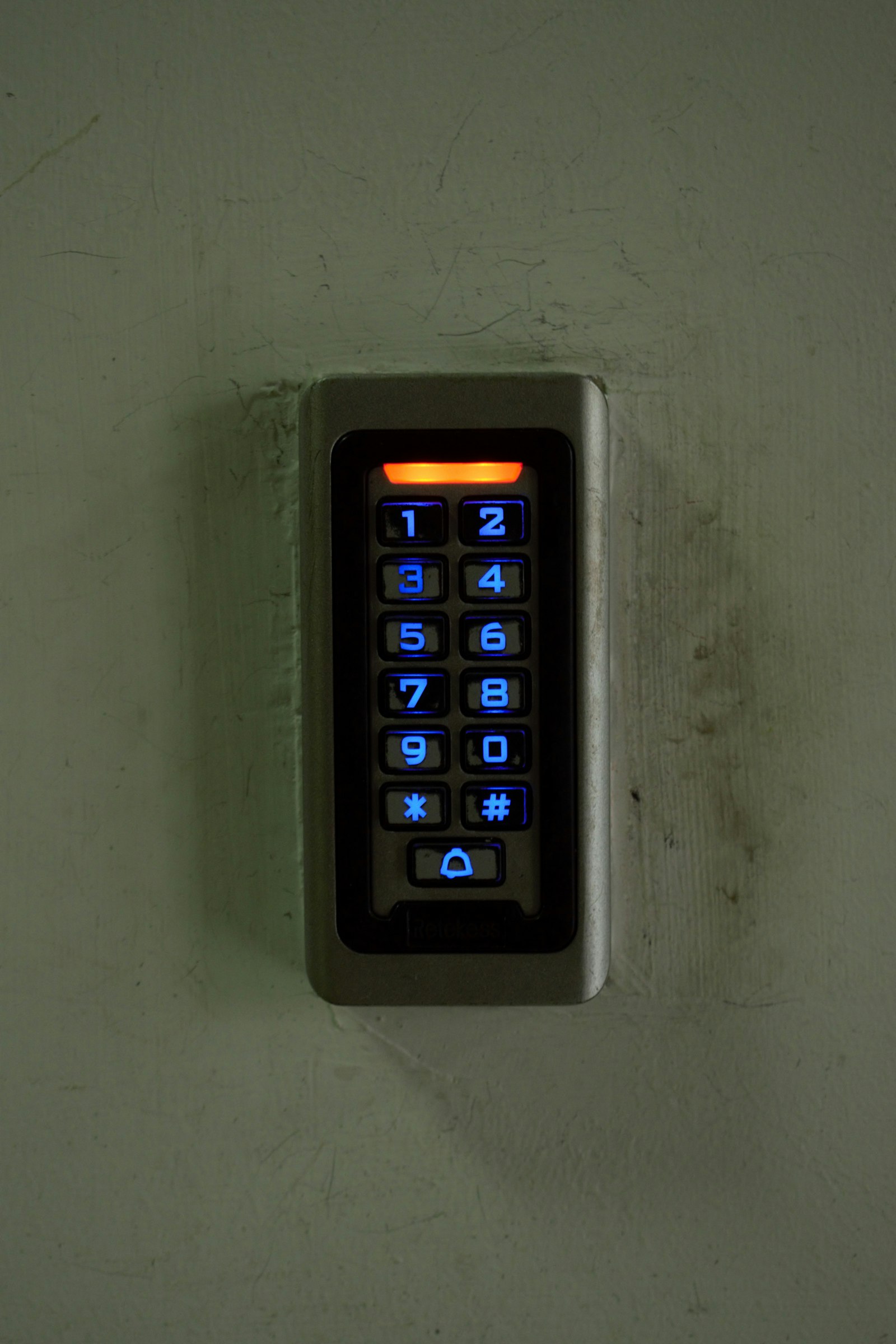
Access control keypad
02

How it is activated

Accessible push plates beside the door, touchless wave switches, bollard-mounted switches for wheelchair and vehicle approach, or the access control reader itself. Placement matters: a push plate that is behind the door swing or too far away fails the people it is meant for.

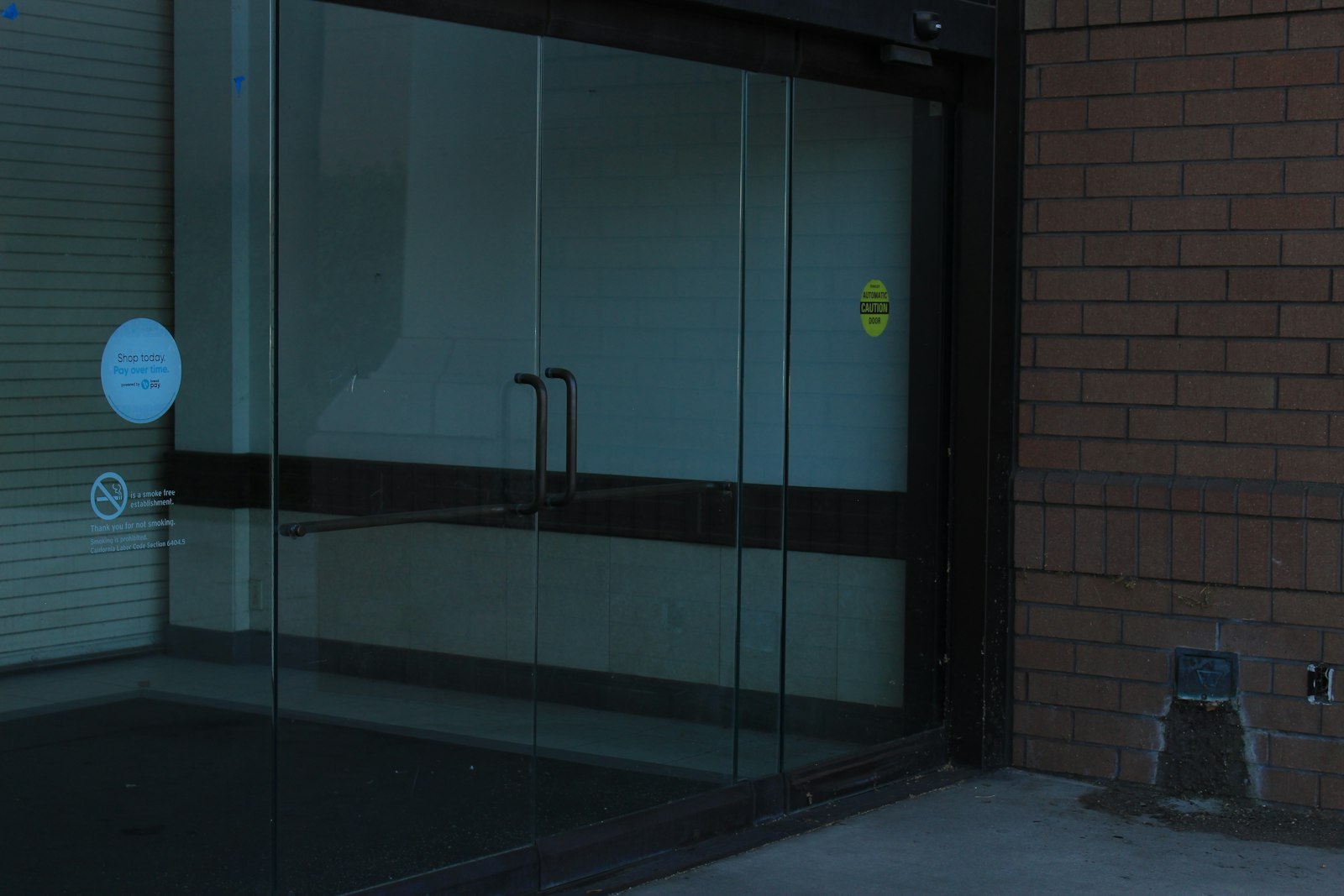
Card reader at a secure door
03

How it works with security

On a locked door, the operator and the lock must work in order: unlock first, then open. We wire the operator with the electric strike or lock, the reader and the intercom so that a valid fob or a resident’s “open” both unlock and open the door, while the push plate does nothing when the door is secured.

Power doors, in detail

Universal washrooms

Universal washroom doors need more than an opener. A push button outside opens the door; inside, a lock button secures it, turns on an “occupied” indicator outside, and disables the outside button until the person leaves.

We supply and wire the operator, electric strike, buttons and indicators together so the sequence works correctly every time.

Exterior doors and wind

Exterior doors on taller buildings can be hard to open because of wind and air pressure differences between inside and out. For many people that makes a door impossible to use, and a power operator solves it.

Operators for exterior doors are selected for the door size and weight and the conditions at that entrance.

Fire and life safety

An operator must never prevent people from leaving. Doors stay manually operable if the power fails, and doors in fire separations are coordinated with the fire alarm so they close and latch when they need to.

We coordinate with your fire alarm contractor and door hardware supplier so the operator, lock and alarm all work together.

Power and wiring

Each operator needs a power supply at the door header, typically provided by your electrician, and low-voltage wiring to the push buttons, the lock and any access control.

Where running wire to a push button is difficult, wireless actuators are an option. We give your electrician a clear list of requirements before installation.

Choosing actuators

Push plates should sit where someone in a wheelchair can reach them without being in the path of the door as it swings. Wall-mounted plates suit most doors; bollard-mounted plates work where there is no wall nearby.

Touchless wave switches are popular in clinics and washrooms, where people would rather not touch a shared button.

Inspection and service

Like any door hardware that moves, operators wear over time. Opening speed, force and hold-open time can drift, and closers and hinges loosen.

Regular inspection keeps operators safe and within specification, and catches worn parts before a door stops working at an entrance people depend on.

Questions we are asked

Can an operator be added to our existing door?

In most cases, yes. We check the door, frame, hinges and closer, and recommend any repairs first so the operator isn’t fighting a sagging door.

Do operators need maintenance?

Yes. Operators should be inspected regularly so opening speed, force and safety features stay within specification.

Can you do the access control and intercom too?

Yes, and doing them together is the easiest way to make sure the door, lock, reader and operator work in the right order.

Need power door operators?

Send photos of the doors or your drawings, and we will quote.

Request a Quote