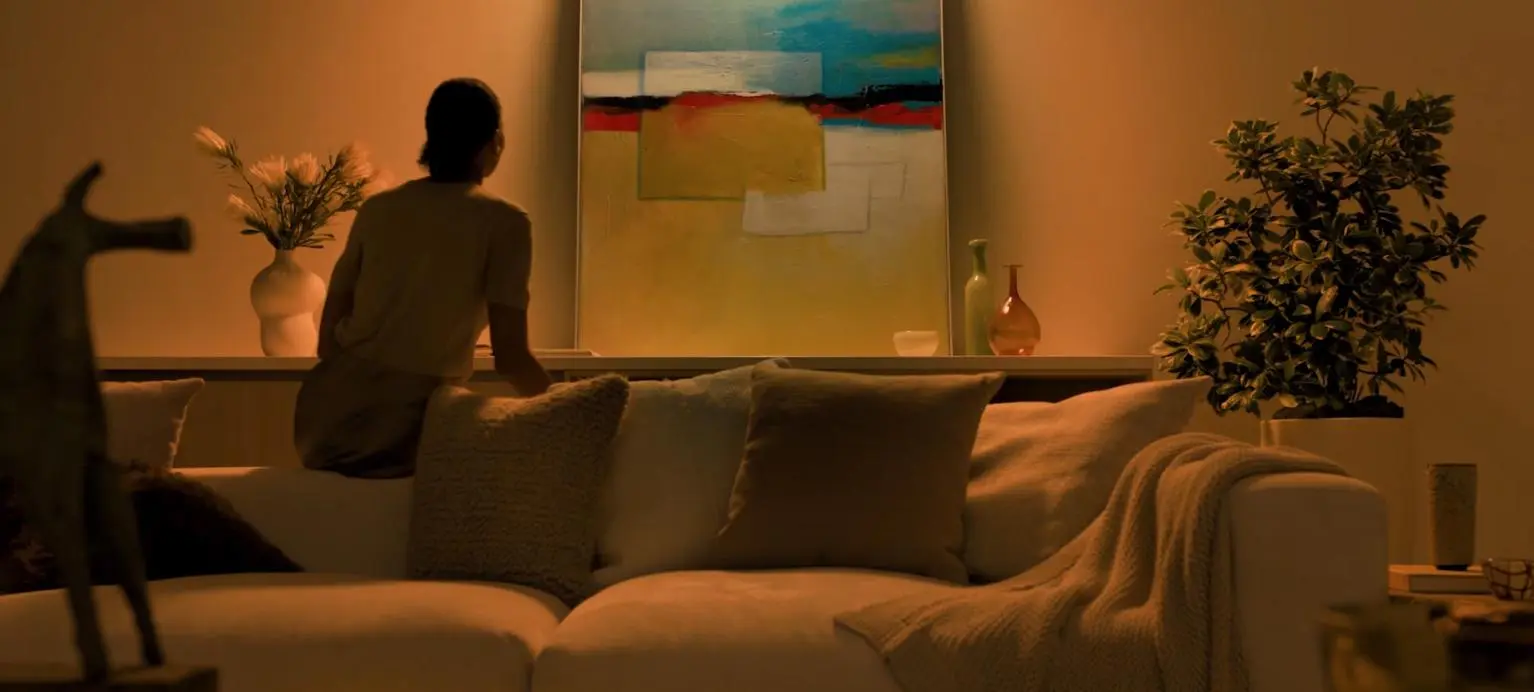

Living room with warm layered lighting

Lighting & Shades

Lighting control, designer keypads and motorized shades from Lutron, Control4 and Crestron.

Why lighting control

Lighting control lets you set the right light level for each room and time of day with one button.

A typical great room has a bank of six or more switches that nobody can label. Lighting control replaces them with one keypad of scenes, Cooking, Dinner, Evening, each setting every light to the right level. Lights come up at sunset and down at bedtime, a soft path lights the way at night, and the house looks lived-in while you’re away.

Lutron

Which Lutron system?

Lutron makes three residential systems. The right one depends mostly on the size of the home and how much you want the keypads to be part of the design.

CasétaRadioRA 3HomeWorks
Best forCondos and smaller homesMost homes, new or existingLarge and luxury homes
ScaleUp to 75 devices on one Smart HubUp to 100 Sunnata devices per processor; larger homes add processorsScales to the largest homes and estates
WiringWirelessWireless, on Lutron’s own Clear Connect radio (not your Wi-Fi)Wired and wireless together
KeypadsCaséta, Diva and Claro dimmers and switches, Pico remotesSunnata keypads, dimmers and switches, Pico remotesAlisse, Palladiom and other designer lines
AlsoSerena shades (Triathlon with the Smart Bridge Pro)Hybrid keypads for retrofits, shadesKetra tunable lighting, Sivoia QS and Palladiom shades

Our usual advice: RadioRA 3 for most homes, HomeWorks when the keypads and light quality are part of the interior design, and Caséta for a condo or a first few rooms. All three integrate with Control4 and Crestron.

Three more decisions

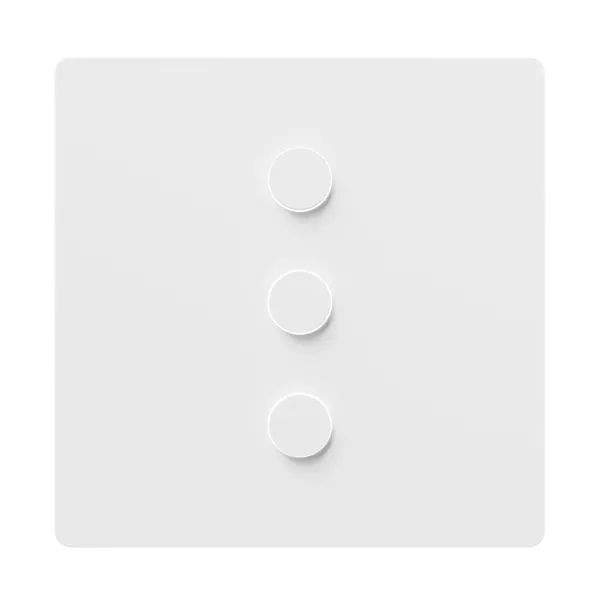
Lutron Alisse keypad

The keypad

Keypads are the part of the system people use every day, so they should suit the room. Lutron Alisse and Palladiom, and Crestron Horizon, come in metals, glass and colours chosen with your designer, with each button engraved with the scene it sets.

We usually recommend fewer, better-placed keypads: one at each entrance to a room, with four to six clearly named scenes.

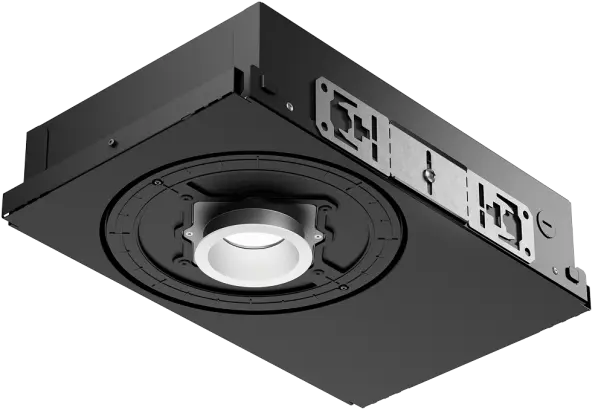
Lutron Ketra downlight

The light itself

Control is only as good as the fixtures. Most dimmable LEDs work well, but cheaper lamps flicker or drop out at low levels, so we check what you have and recommend compatible dimmers or lamps.

For the best result, Lutron Ketra fixtures change colour temperature through the day, cool and bright in the morning, warm and low in the evening, much like natural light.

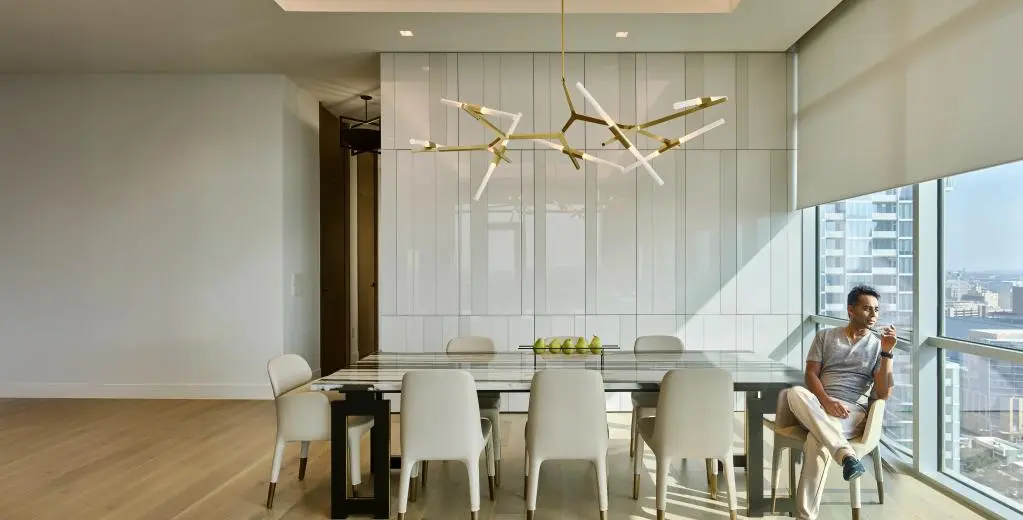
Motorized roller shades in a high-rise dining room

The shades

Motorized shades rise in the morning, lower when afternoon sun reaches floors and furniture, and close for privacy at night, on a schedule or at one button.

Sheer fabrics keep the view; blackout is for bedrooms and theatres. Battery-powered shades suit finished homes. Hard-wired shades, which can be hidden in a recessed ceiling pocket, are planned before drywall.

Lighting and shading, in detail

Planning scenes room by room

Good lighting design layers three kinds of light: ambient light to fill the room, task light for cooking or reading, and accent light for art, shelving and architecture. Lighting control lets those layers work together.

We walk through each room with you and decide on four to six scenes for each, named after how the room is used. Most homes end up with fewer keypads than they had switches, and every button does something useful.

Exterior and landscape lighting

Exterior lights follow an astronomic clock, turning on at sunset and adjusting through the seasons without anyone resetting a timer. Pathway, façade and garden lighting can each run on their own schedule.

Exterior lights can also respond to security events. A door opening at night or the alarm going off can turn every outdoor light on at once.

Tunable and circadian lighting

Standard LEDs have a fixed colour temperature. Tunable fixtures, such as Lutron’s Ketra, change colour through the day: cooler and brighter in the morning, warmer and lower in the evening, much like daylight.

It is most noticeable in kitchens, living spaces and bedrooms, and it renders art, wood and skin tones beautifully. Ketra is part of the HomeWorks system.

Shade fabrics

Roller shade fabrics are described by their openness: the lower the percentage, the more light and heat they block. A 1 to 3 percent fabric gives privacy and glare control while keeping a view; 5 percent and above keep more of the view at the cost of privacy at night.

Blackout fabrics are for bedrooms and theatres. Dual shades put a sheer and a blackout on one bracket, so you can choose either.

Pre-wiring and pockets

For hard-wired shades, a low-voltage cable runs to the head of each window before drywall. Recessed ceiling pockets hide the roller completely; they need to be coordinated with the window, the trim and the ceiling height early in the design.

In finished homes, battery-powered shades need no wiring at all, and battery life is typically measured in years rather than months.

Energy and comfort

Dimming lights even slightly saves energy and extends the life of fixtures. Lights that turn off automatically in empty rooms and at bedtime save more.

Shades that lower when the sun hits west-facing glass reduce heat gain in summer, keep rooms more comfortable and protect floors, furniture and art from fading.

Questions we are asked

Do I need to rewire my house?

No. Caséta and RadioRA 3 dimmers replace your existing switches using the wiring already in the wall. Fully wired systems such as HomeWorks are best planned in a new build or major renovation.

Can we start with a few rooms?

Yes. Many clients start with the main floor and add bedrooms, exterior lighting and shades later on the same system.

Can shades be added after we move in?

Yes. Battery-powered shades need no wiring and install in a finished home in a day or two.

Planning lighting or shades?

Send a floor plan or a list of rooms and we will suggest a system.

Plan Your Lighting