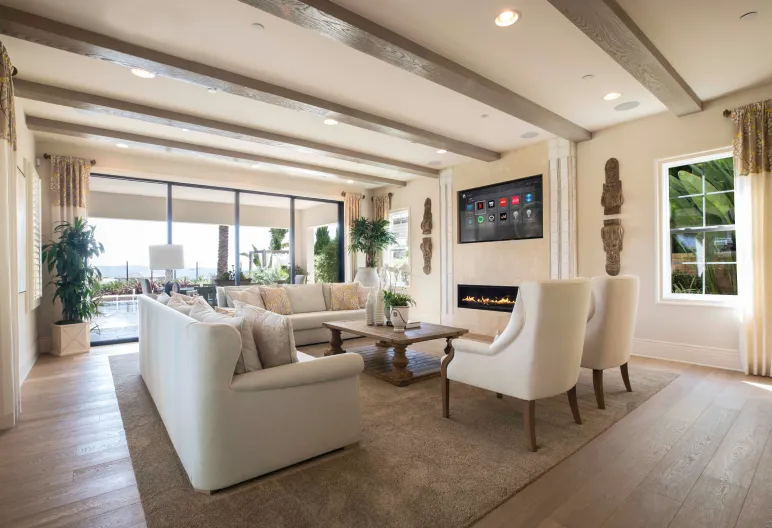

Living room with a security touch screen

Residential Security

Alarm systems, cameras, video doorbells and smart locks, designed as one system and managed from your phone.

One connected security system

Most homes have an alarm from one company, cameras from another and a doorbell with its own app. These systems usually don’t work together, and the alerts are often too frequent to be useful.

We design security as one system with the rest of the house. Arming the alarm locks the doors and starts a lived-in lighting pattern. An alert comes with the camera that saw it. And the notifications are set up for what matters, so when your phone buzzes, you look.

Four layers of a secure home

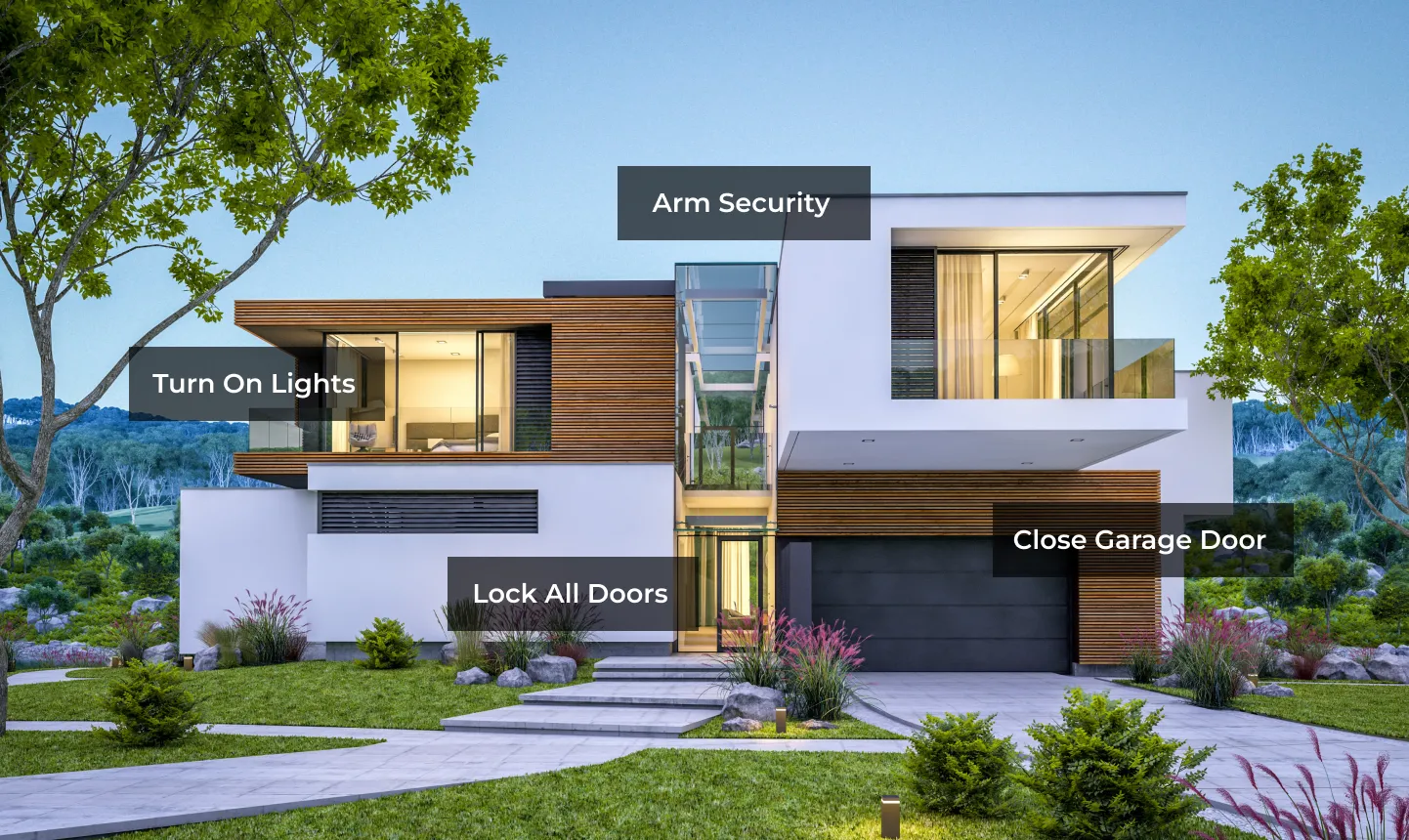
Home with arm security, lock all doors and lights scenes
01

Detect

Door and window contacts on every opening, motion detectors in the main paths, and glass-break sensors where a window could be broken rather than opened.

Inside, water-leak sensors under sinks and beside the water tank, and smoke and carbon monoxide detection. Water damage can be costly, and a leak sensor with an automatic shut-off valve can stop it early.

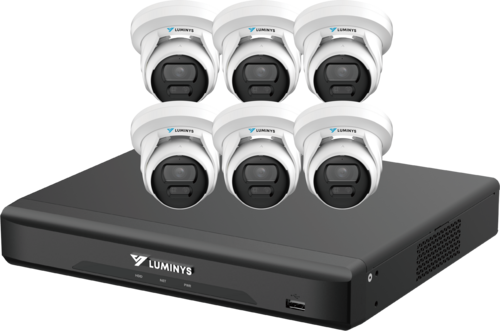
Luminys camera system: network video recorder with six turret cameras
02

See

Luminys

We install Luminys camera systems: a network video recorder in the house and AI-equipped cameras placed for what you need to identify, faces at the front door, plates at the driveway, an overview of the yard. The cameras tell people and vehicles apart from swaying trees and passing headlights, so alerts mean something.

Recording stays on the recorder in your home, so you keep footage even if the internet is down and don’t pay per camera to store it. You view live and recorded video in the Luminys app, and cameras are aimed at your property, with privacy masking over neighbouring windows.

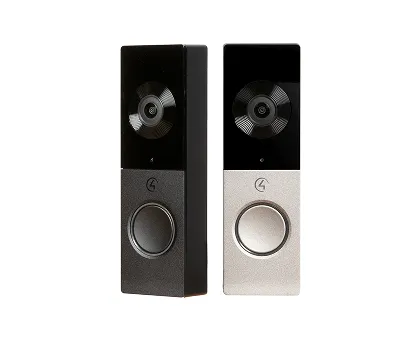
Control4 video doorbells
03

Answer

A video doorbell that rings on your phone, the kitchen touch screen and the TV. Speak to a courier from the office, or check who is at the gate before opening it.

Smart locks let you give the cleaner or a trade a code that only works on certain days, and confirm every door is locked at bedtime with one look.

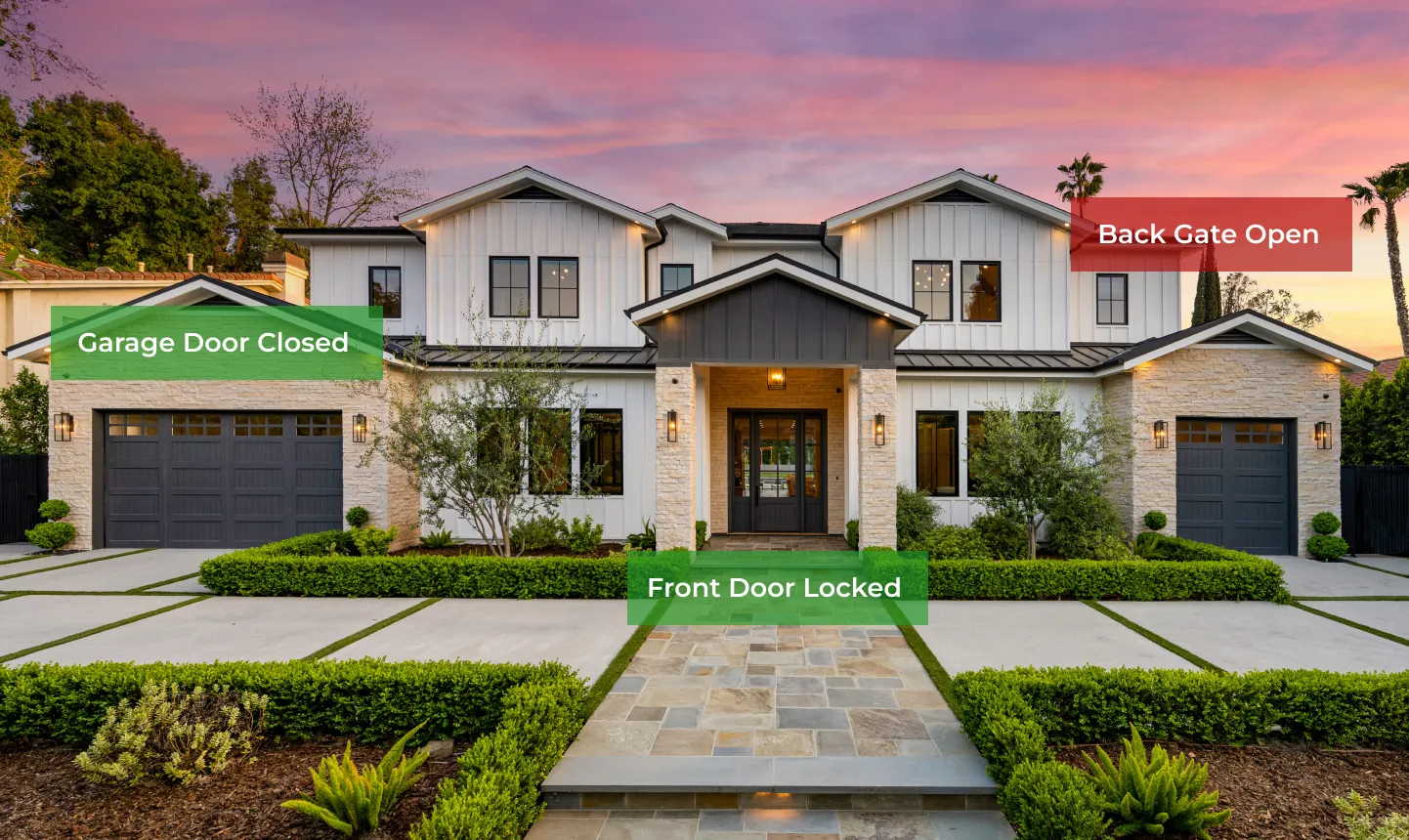
Home with alerts: back gate open, front door locked
04

Respond

When something happens, the house reacts: lights on inside and out, the camera clip on your phone, and the option to sound the alarm or speak through the doorbell.

We also offer professional 24/7 alarm monitoring through a licensed monitoring centre, which can respond and dispatch emergency services when an alarm goes off.

Works with your smart home, or on its own

Security integrates with Control4 and Crestron, so arming, cameras and the doorbell appear on the same keypads, touch screens and app as everything else.

If you don’t have a smart home system, we install security as a standalone system with its own app, ready to connect later.

Home security, in detail

Perimeter first

The strongest alarm design protects the perimeter: a contact on every exterior door and opening window, and glass-break sensors on large glass. That means the alarm sounds when someone tries to get in, not once they are already in the hallway.

Interior motion detectors then cover the main paths as a second layer. Pet-friendly detectors ignore dogs and cats up to a set weight.

Cameras: placement over megapixels

Higher resolution helps, but where a camera is placed matters far more. A camera too high above a door sees the tops of heads; one pointed into the sun sees silhouettes.

We choose lenses and angles for each job: a narrow view to identify faces at the front door, a wide view for the yard, and models with good night vision and wide dynamic range for bright doorways and dark driveways.

Smart locks

Keypad and app-controlled locks remove the question of who has a key. Each person gets their own code, temporary codes expire on their own, and the lock keeps a record of who came in and when.

Locks can auto-lock after a set time and report their status to the app, so you can check them from anywhere.

Water, smoke and carbon monoxide

Water damage is one of the most expensive things that can happen to a home. Leak sensors under sinks, beside the water heater, behind the dishwasher and in the laundry room catch it early, and an automatic shut-off valve can stop the water before it spreads.

Smoke and carbon monoxide detection can be connected to the system so you are alerted even when nobody is home.

Self-monitoring or professional monitoring

With self-monitoring, alerts come to your phone and you decide what to do. Professional monitoring adds a licensed monitoring centre that responds around the clock and can dispatch emergency services.

Some insurers offer lower premiums for monitored alarms, so it is worth asking yours. We offer both, and explain the costs before you decide.

Privacy and your data

Recording to a recorder in your home keeps footage under your control rather than on a third-party server. Each family member gets their own login and permissions.

Cameras are aimed at your property, and privacy masking blocks out neighbours’ windows and yards from the recording.

Questions we are asked

Can you take over my existing alarm?

Often, yes. Many existing sensors can stay and connect to a new panel. We check your equipment during the walkthrough.

Do cameras need a monthly subscription?

Not for recording. Footage is stored on the recorder in your home. Professional alarm monitoring and some cloud features are optional monthly services.

What happens in a power or internet outage?

Alarm panels have battery backup and keep protecting the house. Cameras keep recording locally if the recorder is on backup power; remote viewing and alerts resume when the internet returns.

Book a home security review.

We walk the property and recommend the right equipment.

Book a Review